

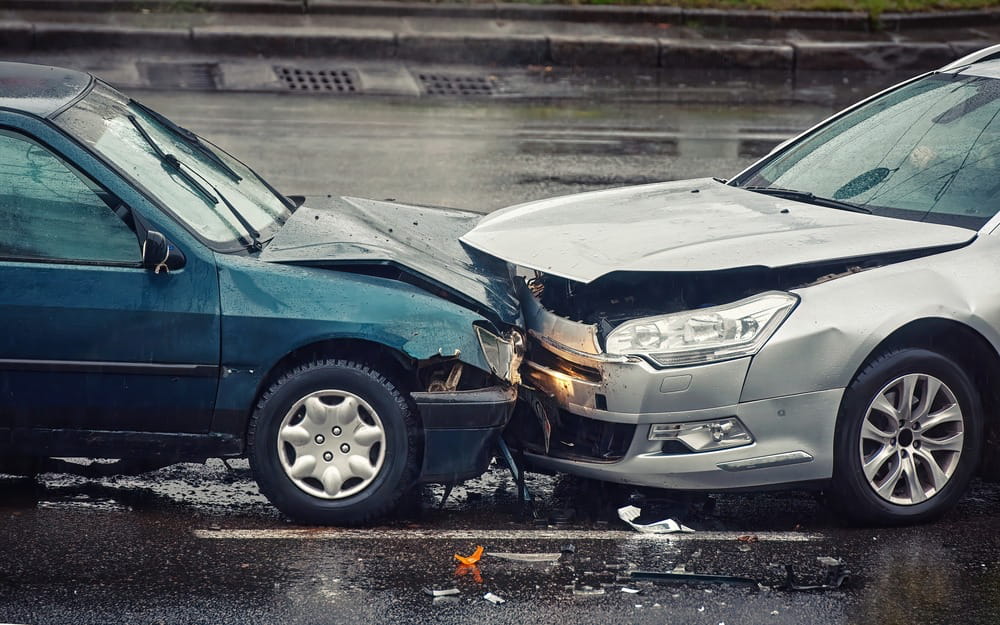
If you have a wreck in Kentucky, how is “fault” determined and how does that impact your rights? What if you are deemed partially responsible for causing the wreck? In short, “fault” is determined by weighing all the facts that caused the accident. You can recover the percentage of damaged caused by the other driver. In other words, a percentage of fault is assigned to each party. It could be anywhere from 100 to 0%. You can recover against the other party for the percentage assigned to that party. You cannot recover for the percentage assigned to you.
The good news is that Kentucky, unlike some other states, does not automatically bar recovery in these cases. Instead, it adjusts compensation based on your share of fault.
At McCoy & Sparks, PLLC, we are very experienced in knowing how to minimize your fault and maximize your recovery. With more than 80 years of combined experience, our team is prepared to fight for you to recover the maximum amount of damages available in your case. Below, we break down of what you can expect in clear terms.
Proving Fault in Kentucky
To recover compensation in virtually any car accident case in Kentucky, you must prove the other party was negligent or worse. Proving negligence means proving four key elements:
- Duty. You must prove that the other party owed you a duty of care. In general, every driver has a duty to drive safely and to keep their vehicle under control. KRS Chapter 189 contains most of Kentucky driving laws. Duties are also outlined in case law.
- Breach. A breach occurs when the other party fails to meet their duty of care. Examples of breaches in a car accident include speeding, driving while intoxicated, or running a stop sign/traffic light.
- Causation. You must show that the other party’s breach directly caused the accident and your injuries. The breach must be a substantial factor in causing the injury.
- Damages. Finally, you must prove that you suffered losses, such as medical bills, lost income, or pain and suffering, because of the accident.
Even if you are partially at fault for a car accident in Kentucky, you can still prove these elements against the other party. Car accidents often include mistakes made by all parties, and your mistakes don’t always prevent you from seeking compensation.
Can I Recover If I Was Partly at Fault?
Yes. Kentucky allocates fault in personal injury cases. Under state allocation rules, you can still recover damages when you’re partially to blame. However, your compensation is reduced by your percentage of fault.
For example, if you are awarded $100,000 but found 30% at fault, you would receive $70,000 (the 30% assigned to you is reduced from the total). This system is often referred to as comparative fault in a Kentucky car accident. It applies to most personal injury claims arising from crashes.
So, if you share fault in a crash, your case is not necessarily over. You just need to understand how fault is calculated.
How to Determine Each Party’s Percentage of Fault in a Car Accident in Kentucky
After a crash, multiple parties may share the blame. One party can be speeding and the other fails to yield the right of way. How did each parties breach of duty contribute to causing the wreck and injury? Kentucky law allows fault to be divided among all involved drivers. A jury is the ultimate decision maker in cases that are not resolved by settlement. Settlements are influenced by what would likely happen if the case went to trial.
Insurance companies may assess its view of fault during the claims process, but final legal fault determinations are typically reserved for the court or jury. Insurance carriers review evidence regarding each party’s behavior and the damage each caused. To the extent that you can influence the insurance carrriers view of fault, you can increase the amount offered in settlement.
This evidence used to determine fault include:
- Police reports,(Very valuable but ultimately only one person’s conclusion. The conclusions are not admissible at trial, but the information collected may be. We view the report as a starting point to aid in the investigation.)
- Witness statements,
- Photos and videos,
- Medical reports,
- Repair or replacement estimates,
- Accident reconstruction reports or testimony, and
- Traffic laws.
Common Causes of Car Accidents in Kentucky
Understanding what causes crashes can help you determine how shared fault in a car accident might be divided. According to a 2022 report from the Kentucky State Police, common accident causes have included:
- Driver inattention—35.85%;
- Failure to yield—11.12%;
- Not being under proper control—13.54%;
- Misjudging a clearance—8.51%;
- Following too closely—5.59%; and
- Being distracted—4.07%.
Environmental and vehicle factors, such as poor road conditions or mechanical failures, can also play a role. In many cases, multiple factors cause a crash. That is why shared-fault car accidents are so common.
What Damages Can You Recover?
If you were injured in a crash, you may be entitled to several types of damages, even if you were partly at fault.
Economic Damages
These cover concrete financial losses, including:
- Medical expenses,
- Future medical care,
- Lost wages,
- Reduced earning capacity, and
- Property damage.
After a crash, keep all your accident-related receipts, invoices, estimates, and medical reports to show every loss. The more losses you can prove, the larger your recovery will likely be and the smaller the impact of a reduction by your percentage of fault in a car accident.
Noneconomic Damages
These address personal, intangible losses, such as:
While these types of damages are not as easy to show in a receipt or expense report, they may be a crucial part of your recovery. Keeping notes about the post-accident changes in your life and identifying witnesses who have noticed changes can help prove your right to noneconomic damages.
Punitive Damages
In some cases involving especially egregious conduct, such as drunk driving or intentional misconduct, Kentucky law may allow punitive damages if clear and convincing evidence shows oppression, fraud, or malice.
McCoy & Sparks Can Help You Build a Complete Case
If you are dealing with an accident in Kentucky and might be partially to blame, do not assume you have no case. The law allows recovery. The key is understanding comparative fault in a Kentucky car accident and how to defend yourself. We can help you understand the law, your rights, and how to get the compensation you deserve
At McCoy & Sparks, we have decades of experience helping clients navigate complex accident disputes. Please contact us today by phone or online to schedule a case review.
FAQs
Can I Still Recover Compensation If I Was Partly at Fault for a Car Accident in Kentucky?
Yes, but your compensation may be reduced by your percentage of fault.
How Does Kentucky Comparative Fault Affect a Car Accident Claim?
Comparative fault reduces your total recovery. For example, if you are 30% at fault, you receive 70% of your damages.
How Is Fault Percentage Decided After a Crash?
Fault is determined by agreement, the court, or the insurance company, and is based on evidence of each party’s actions and the damage each caused.
Can the Insurance Company Exaggerate My Share of Fault?
Yes. Insurers may try to increase your share of fault to lower their payout. It is important to challenge inaccurate or unfair findings.
Should I Talk to a Lawyer If I Think I May Be Partly at Fault?
Yes. A lawyer can review your case, gather evidence, and help ensure fault is assigned fairly. This can make a significant difference in your recovery.
Legal References Used to Inform This Page
To ensure the accuracy and clarity of this page, we referenced official legal and other resources during the content development process: